

The Ultimate Packing List for Multiple Day Hikes in the Mountains

Smart packing is one of the biggest differences between a stressful mountain trek and a rewarding one.
- Why packing matters on multi-day mountain hikes
- How to think about packing before you start
- Backpack and organization system
- Clothing and layering system
- Footwear for mountain trekking
- Shelter and sleep system
- Food, water, and cooking setup
- Hygiene, toiletries, and health items
- Safety and navigation essentials
- Electronics and useful extras
- Packing adjustments by season and conditions
- Complete multi-day mountain hiking checklist
- Common packing mistakes to avoid
- Final thoughts
- FAQ
Packing for a multiple-day hike in the mountains is one of those things that looks simple from a distance and becomes very serious the moment you are actually on the trail. In a city, forgetting an item is usually an inconvenience. In the mountains, forgetting the wrong item can affect your comfort, your energy, your safety, and sometimes your entire trip. That is why a strong packing list is not just a random checklist of gear. It is a trail strategy.
A lot of hikers spend most of their planning time thinking about routes, viewpoints, campsites, weather, and transportation to the trailhead. Those things matter. But the quality of your packing system often determines whether the hike feels organized and enjoyable or unnecessarily hard. A heavy backpack can drain you before lunch. A poor clothing system can leave you sweaty on climbs and freezing at camp. Bad food planning can make you low on energy when you need it most. Even a simple mistake like keeping your rain jacket buried deep in your pack can become a frustrating problem when weather suddenly turns.
The good news is that effective mountain packing is not about buying the most expensive gear or copying someone else’s exact setup. It is about understanding the needs of your route, choosing items with real purpose, and building a system that works for your body, your pace, and your conditions. The smartest hikers are not always the ones carrying the lightest pack. They are often the ones carrying the most intentional one.
This guide gives you a full, practical, and field-minded approach to building the ultimate packing list for multiple day hikes in the mountains. It is designed for hikers who want something more useful than a thin checklist and more realistic than a gear ad disguised as an article. Whether you are preparing for your first overnight mountain trek or upgrading your usual setup for longer routes, this guide will help you pack with more confidence and more clarity.
Why packing matters on multi-day mountain hikes
A multi-day mountain hike asks more from your body than many people expect. You are carrying your shelter, your warmth, your water system, your food, and your safety tools on your back while moving through changing elevation and unpredictable weather. Even if the trail itself is not technical, the combination of time, weight, terrain, and exposure creates a very different kind of physical and mental demand from a day hike.
Packing matters because every item either supports your movement or makes it harder. Every item either improves your resilience or adds useless weight. And every item either earns its place in your system or quietly punishes you with bulk, discomfort, or inefficiency.
This becomes especially important in the mountains because conditions shift quickly. Warm trail starts can become cold, windy, and wet higher up. Dry paths can turn muddy after rain. Long ridgelines can expose you to intense sun in one hour and freezing wind in the next. On a multi-day hike, the consequences of poor decisions also stack up. A slightly uncomfortable pack on day one can become real shoulder pain by day three. A weak sleep system can leave you under-recovered for the next climb. Under-eating can feel manageable in the morning and terrible by the afternoon.
Good packing gives you margin. It gives you warmth when the night turns colder than expected. It gives you dry layers when your hiking clothes are soaked. It gives you enough calories to keep moving strongly. It gives you tools for navigation, basic repairs, blisters, and weather changes. Most of all, it gives you mental calm. You stop second-guessing your load and start focusing on the mountain itself.
That calm is often underrated. When you know your gear is organized, your essentials are accessible, and your system has been thought through, the whole experience changes. You move better. You react better. You rest better. You enjoy more.
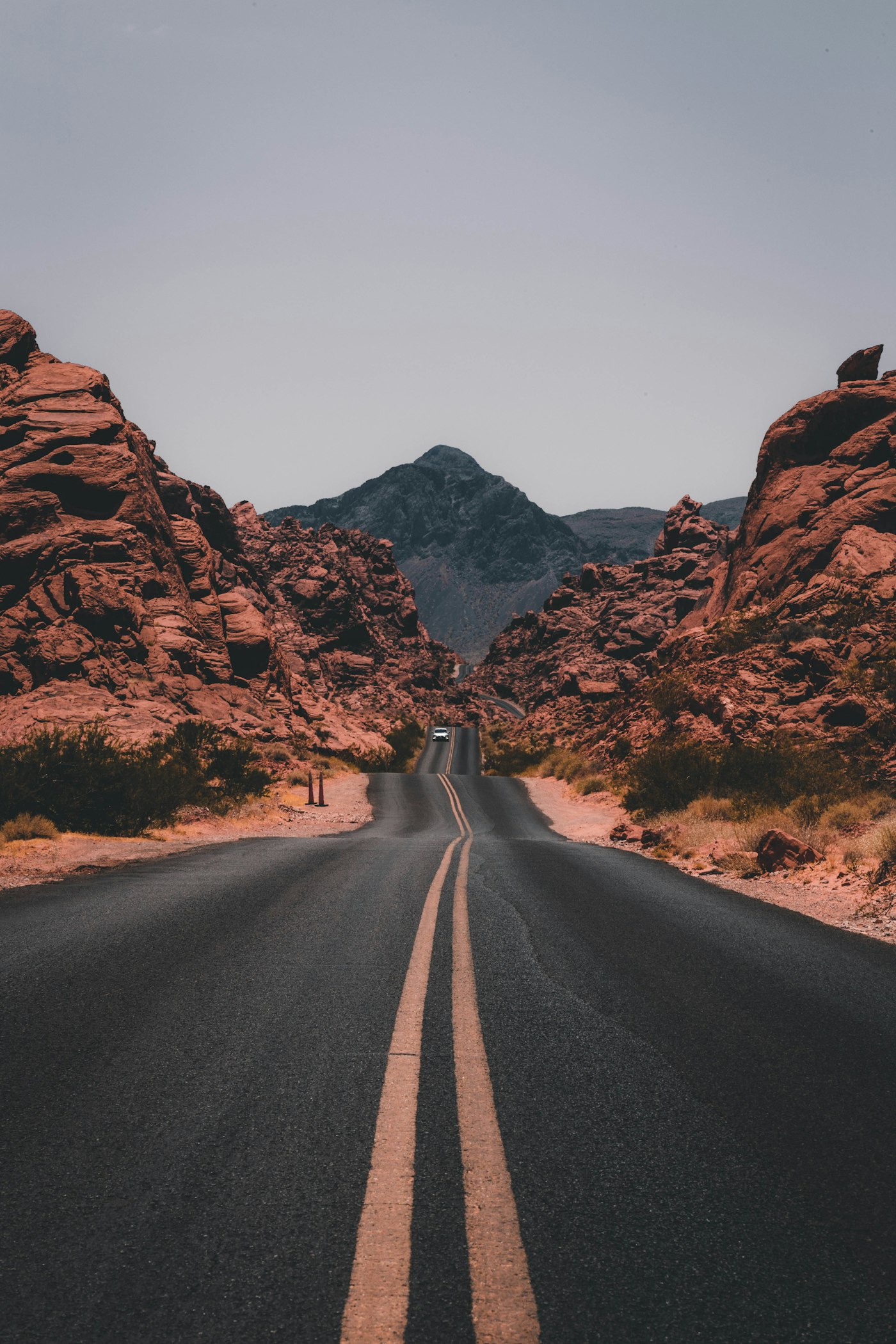
Mountain hiking demands more than stamina. It rewards careful preparation and a reliable packing system.
How to think about packing before you start
Before you even start laying gear on the floor, it helps to think clearly about what determines your packing list. The best list for a summer ridge traverse is not the best list for a rainy forest trail. A hiker staying in huts will carry differently from a hiker camping every night. A route with frequent water sources changes your water carry strategy. A route with long exposed climbs changes your clothing choices.
Start with five basic questions:
- How many days and nights will you be out?
- Will you be camping, staying in huts, or doing a mixed setup?
- What are the expected daytime and nighttime temperatures?
- How reliable are water sources on the route?
- How remote is the hike, and how serious are the consequences of gear failure?
These questions immediately help you separate essentials from assumptions. For example, you might not need a heavy cooking setup if the route is short and you are happy with simple cold food. But you may absolutely need stronger waterproofing if the forecast is unstable. You may not need spare clothing for every day, but you probably do need one guaranteed dry camp layer and reliable rain protection.
Another important mindset shift is this: pack for systems, not isolated items. A mountain clothing system includes a base layer, insulation, weather protection, and sleep comfort. A food system includes calories, hydration, electrolytes, and meal timing. A safety system includes navigation, headlamp, first aid, emergency warmth, and communication planning. Thinking this way helps you stop forgetting key categories.
It also helps to accept that packing is about trade-offs. There is no perfect mountain packing list that works for everyone, because different hikers tolerate cold differently, eat differently, move differently, and prioritize comfort differently. What you want is not perfection. What you want is balance.
A strong balance usually looks like this: enough protection to stay safe, enough food and water planning to stay strong, enough comfort to recover well, and little enough excess weight that you can actually enjoy walking with the pack.
If you like building smart travel systems in general, it is also worth looking at broader planning habits like budgeting and trip preparation, especially if your trek is part of a larger trip. Internal planning pieces on your site like the low-budget travel guide and emergency preparedness guide are very relevant to the same mindset of traveling lighter but smarter.
Backpack and organization system
Your backpack is the framework that holds everything together. For many multi-day mountain hikes, something in the 40L to 65L range works well, though the right size depends on your setup. If you are carrying a tent, full sleep insulation, extra food, and colder weather clothing, you will generally need more volume than someone hiking hut to hut.
The most important thing is fit. An expensive pack that fits badly is worse than a simpler one that fits properly. A good backpack should sit securely on your hips, keep the load close to your center of gravity, and stay stable on uneven terrain. It should not swing excessively, collapse awkwardly, or force too much pressure onto your shoulders.
Organization matters just as much as size. A poorly packed bag creates frustration all day long. If you have to dig through your sleeping clothes just to reach your rain shell, your setup is fighting against you. The best organization systems reduce decision-making and make your trail rhythm smoother.
A strong basic structure looks like this:
- Bottom of pack: sleeping bag or quilt, sleep clothes, light bulky items you will not need while walking
- Middle close to your back: dense gear such as food, cook kit, or water if your pack design allows
- Top of pack: insulation layer, rain shell, lunch, easy-access essentials
- External pockets: water bottles, snacks, map, sunscreen, hat, gloves, filter, toilet kit
Waterproofing is a huge part of this system. A rain cover is helpful, but it should not be your only protection. Water can still get inside from the back panel, seams, or prolonged weather. A pack liner or dry bags for critical gear is much more reliable. Your sleeping bag, spare socks, electronics, and documents should never depend on luck.
Another underrated tip is to group gear by function. Keep cooking items together, sleep items together, health items together, and so on. This helps at camp, helps during checks, and reduces the chance of leaving something behind when repacking.
On longer treks, efficiency compounds. Saving even a few minutes every time you stop, filter water, set camp, or react to weather changes makes a real difference over several days. That is why the backpack system is not just a container. It is part of your overall trail performance.

Smart organization makes your backpack easier to carry and much easier to use throughout the day.
Clothing and layering system
Mountain clothing works best when it is treated as a system, not as a collection of outfits. The goal is not to feel stylish every day on the trail. The goal is to manage sweat, retain warmth when needed, stay protected from wind and rain, and keep one reliable dry setup for rest and sleep.
This usually starts with a base layer. A good base layer helps move sweat away from your skin and keeps your temperature more stable. Merino wool and technical synthetic fabrics both work well. Cotton is rarely a good choice for mountain hiking because it holds moisture and becomes cold when wet.
Above the base layer comes a mid layer. This might be a fleece or a breathable technical insulating layer. Its job is to keep you warm during cooler sections, morning starts, shaded ridges, and breaks where your body cools down.
Then comes weather protection. A quality shell jacket is one of the most important pieces in a mountain system. Even in relatively mild seasons, wind and rain can change how safe and comfortable the day feels. In some routes, rain pants are also worth carrying, especially when weather is unstable, temperatures are low, or vegetation and mud will soak your legs anyway.
Finally, there is insulation for camp. Many hikers are surprised by how cold they feel after they stop moving. That is why a compact insulated jacket often ends up being one of the most appreciated items in the pack. It helps at camp, during lunch breaks, during cold mornings, and sometimes inside your sleep system when temperatures drop more than expected.
A strong clothing list for many three- to five-day mountain hikes looks like this:
- 1 primary hiking shirt
- 1 dry camp or sleep shirt
- 1 mid layer such as fleece
- 1 insulated jacket
- 1 waterproof shell jacket
- 1 hiking pant or short depending on terrain and weather
- 1 thermal bottom if nights are cold
- 2 to 3 pairs of hiking socks
- 1 dedicated dry sock pair for camp or sleep
- Underwear appropriate to trip length or wash rotation
- Sun cap or hat
- Warm beanie or thermal hat
- Light gloves
- Buff or neck gaiter
The biggest clothing mistake on multi-day hikes is overpacking “just in case” outfits. You do not need a fresh look for every day. You need a system that can hike, recover, and sleep. Once you understand that, your pack becomes much lighter without making you less prepared.
Another important rule is to protect the dry clothes. Your camp and sleep layers should be treated like emergency comfort insurance. They need to stay dry no matter what happens to the rest of your hiking clothes.
Footwear for mountain trekking
Few choices affect a hike more directly than footwear. Every step of every day happens through your shoes, so this is not an area for guesswork. The right choice depends on terrain, load, weather, and personal preference. Some hikers love trail runners because they are lighter, quicker to dry, and feel more agile. Others prefer hiking boots because they want more support, more protection, or better confidence on rough terrain.
The key is not whether the shoe is trendy. The key is whether it fits your route and whether it is already broken in. A brand-new boot on a mountain trek is one of the easiest ways to create blisters and regret.
Think about the route honestly. If the trail is dry, moderate, and your pack is relatively light, a good trail runner may be enough. If the route is wet, rocky, steep, and your pack is heavier, a sturdier shoe or boot may be the smarter choice. In very muddy, cold, or loose terrain, the extra structure can be valuable.
Socks matter almost as much as shoes. Quality hiking socks reduce friction, help manage moisture, and support comfort over long distances. For many hikers, foot problems start not with the shoe itself but with sweat, hot spots, poor sock choices, and delayed foot care.
On longer hikes, some people also like carrying a very light camp sandal or camp shoe, especially if there are river crossings or if they want their feet to breathe after hiking. But this is optional. If your weight is already high, this can be one of the first comfort items to cut.
If you want a useful rule: prioritize comfort, grip, and reliability over brand prestige. Happy feet change the entire trip.
Shelter and sleep system
If you are camping during your mountain hike, the shelter and sleep category becomes one of the most important parts of your entire load. A bad night affects everything the next day: your mood, strength, focus, pace, and even your judgment. A good sleep system, on the other hand, can make a demanding trek feel far more manageable.
Your shelter should match the route and expected weather. A lightweight tent, trekking-pole shelter, or tarp system can all work, but the best one is the one you understand how to pitch quickly and confidently in mountain conditions. If the route is exposed to wind, rain, and cold nights, reliability matters more than shaving every possible gram.
The sleeping bag or quilt should be chosen based on realistic overnight lows, not the warmest part of the day. Mountain temperature drops can surprise beginners, especially at altitude or in shoulder seasons. Add in wind chill, dampness, and accumulated fatigue, and a “probably warm enough” sleep setup can feel very inadequate at 2 a.m.
Your sleeping pad matters too. Even a warm sleeping bag performs poorly if the ground is pulling heat away from you all night. Insulation under your body matters more than many hikers realize.
A practical mountain sleep setup often includes:
- Tent or weather-appropriate shelter
- Tent stakes and guylines
- Groundsheet if needed
- Sleeping bag or quilt
- Sleeping pad
- Small pillow or a stuff sack used with soft clothing
- Dedicated dry sleep layer
If you are not camping and are instead staying in mountain huts, your system changes. You may not need shelter or a full cooking setup, but you may still want a sleep liner, earplugs, a compact pillow solution, and a reliable warmth layer for shared or colder spaces.
This category is not where you want to be unrealistically tough. Suffering through bad sleep might feel like “part of the adventure” once, but on a multi-day route it often becomes the reason the whole experience gets worse.

A dependable shelter and sleep system supports recovery, comfort, and better performance on the next day’s trail.
Food, water, and cooking setup
Food for multi-day mountain hikes should be planned, not guessed. The goal is not just to bring enough calories. The goal is to bring usable calories in a format that fits your hiking rhythm. This usually means energy-dense foods, low fuss meals, and a clear idea of what you will eat each day.
A lot of hikers either overpack bulky food they do not finish or underpack and end up drained. A better approach is to divide food by day or by meal category. For example: one breakfast pack, one lunch block, one snack block, one dinner block, and one small emergency reserve per day or for the whole trip.
Breakfasts might include instant oats, granola, powdered milk options, coffee, or simple trail-friendly breakfast bars. Lunches are often easiest when they do not require cooking, such as wraps, tortillas, nut butter, cheese, or shelf-stable proteins. Trail snacks should be things you actually enjoy eating when tired, because beautiful nutrition plans fail quickly if the food becomes unappealing on the second day.
Dinners can be simple instant meals, noodles, rice-based setups, dehydrated packs, couscous, or any compact meal you know works for your body. Some hikers prefer no stove at all, which can reduce weight and simplify camp. Others consider a hot meal or hot drink essential for morale, especially in cold conditions. Both approaches are valid if they fit the route and your priorities.
Water planning is even more important than food planning. You need to know where the refill points are, how reliable they are, and how much water you need between them. Dry stretches in exposed terrain can become dangerous much faster than new hikers expect.
A strong water system usually includes:
- At least one dependable carry method such as bottles or a bladder
- A filter or purification method
- Electrolytes if conditions are hot or physically demanding
- Awareness of route-specific water gaps
Cooking gear, if needed, can stay minimal:
- Light stove
- Fuel canister
- Pot or mug
- Spoon or spork
- Lighter and simple backup ignition source
Good fuel planning and smart spending often go together, especially if your trek is part of a larger trip where you are balancing transportation, accommodation, and local expenses. That is why related money-focused travel pieces can also complement mountain trip planning, even if the trek itself is the main event.
The best food and water system is one that keeps your energy steady, your stomach happy, and your logistics simple. Complicated trail nutrition rarely stays enjoyable for long.

Good trail nutrition is not complicated. It is planned, practical, and easy to manage when you are tired.
Hygiene, toiletries, and health items
This category should stay light, but it should not be careless. Mountain hygiene is not about luxury. It is about skin care, foot care, illness prevention, and keeping small issues from becoming trip-ruining problems.
One of the biggest mistakes in this section is bringing full-size toiletries. Another is bringing almost nothing and then suffering through preventable discomfort. A balanced hygiene kit is compact, purposeful, and specific to the route.
- Travel toothbrush and small toothpaste
- Hand sanitizer
- Toilet paper or tissues in a waterproof bag
- Waste bags where necessary
- Small trowel if appropriate for the area
- Sunscreen
- Lip balm with sun protection
- Personal medications
- Blister care items
- Basic wound care and pain relief
- Insect protection if relevant
Blisters deserve special mention. They are one of the most common trail problems and one of the easiest to underestimate. The best strategy is prevention. Good socks, well-tested shoes, and early action on hot spots are much better than waiting until the skin breaks down.
Sun exposure is another issue hikers often misjudge. Even cool mountain days can involve strong UV exposure, especially on ridges, open slopes, and long reflective sections. Sunscreen and lip balm may feel like minor items at home but become very important after several days outside.
Your health kit should reflect your own reality. If you are prone to headaches, stomach issues, allergies, or knee discomfort, plan honestly. The trail does not reward pretending you can “probably manage without it.”
Safety and navigation essentials
Safety gear is often not the most exciting part of a packing list, but it is one of the most important. These are the items that matter when your schedule slips, the weather changes, the trail is not as obvious as expected, or someone in the group has a problem.
At minimum, multi-day mountain hiking safety usually includes:
- Navigation tool such as map, GPS device, or offline mapping app
- Compass if you know how to use it
- Headlamp with spare power
- First aid kit
- Emergency blanket or emergency bivy
- Whistle
- Multi-tool or small knife
- Repair tape or field repair patches
- Trekking poles if terrain or knees benefit from them
For more remote or serious routes, a satellite communicator or emergency beacon may also be worth carrying. This is especially true when phone signal is unreliable and the consequences of delay are higher.
Navigation deserves respect. Phones with offline maps are extremely useful, but battery life, cold, moisture, and accidental damage are real limitations. Redundancy is smart, especially when your route includes trail junctions, fog risk, or terrain where getting off-route has bigger consequences.
The headlamp is another item people underestimate. On a multi-day hike, it is not optional. Delays happen. Camps are set in the dark. Toiletries are handled after sunset. Weather slows movement. Even if everything goes to plan, a headlamp still earns its place.
If you want to think about safety more broadly, not just in the mountains but in travel as a whole, your site’s emergency-focused travel guide is a very natural companion piece to this kind of article because both emphasize preparedness over panic.

Navigation, light, and emergency gear are small in size but huge in importance on a mountain trek.
Electronics and useful extras
Electronics are where many people quietly add unnecessary weight. A multi-day hike is not usually the place for every gadget you own. The best rule is simple: bring electronics that improve safety, navigation, or genuinely meaningful documentation.
A phone with offline maps is now a standard part of many hiking systems. A power bank helps support it over multiple days. A headlamp is essential. Beyond that, you need to be honest with yourself. If you truly care about photography, a camera may be worth the weight. If you rarely use it on trail, it probably is not.
Useful extras can include:
- Phone
- Power bank
- Charging cables
- Headlamp
- Optional camera
- Optional watch or altimeter watch
- Sunglasses
- Trekking poles
- Permits, ID, and small cash
- A compact sit pad if you really value it
One small but useful habit is to keep electronics in weather-protected pouches. Moisture, impact, and carelessness at camp are all common ways to lose useful tools. The same goes for permits and identification. Keep paperwork easy to access but protected.
Extras are not bad. They just need to earn their place. The mountain does not care how useful something seemed in your living room. It only matters whether it helps on the trail.
Packing adjustments by season and conditions
No mountain packing list is complete without talking about variation. A summer packing list should not be copied blindly into a wet season hike. A shoulder-season route should not be packed like a warm-weather overnighter. The broad categories stay the same, but the details change.
Warm and dry conditions
In warm and relatively stable conditions, your pack can usually stay lighter. Clothing becomes more about sun protection and sweat management than cold protection. Water planning becomes even more important, especially on exposed routes. A lighter shelter and simpler sleep system may be enough depending on the region.
Wet and humid conditions
Wet conditions increase the importance of waterproofing, blister prevention, quick-drying layers, and dependable shelter. A route may not be especially cold, but being constantly damp can still crush comfort and recovery. In these conditions, having one guaranteed dry set of camp clothes becomes even more valuable.
Cold nights and higher altitude
Colder environments increase the value of a stronger sleep system, better insulation, gloves, warm hat, and hot food or drink options. Underestimating cold is one of the most common causes of miserable mountain nights.
Long food carries or remote routes
When food carry becomes heavier, weight discipline matters more everywhere else. Luxury items and duplicate gear become harder to justify. Navigation, communication, and repair redundancy become more important too.
The best hikers adapt. They do not treat a checklist like a law. They treat it like a strong base that changes intelligently with conditions.

Conditions change. The smartest packing lists change with them.
Complete multi-day mountain hiking checklist
Backpack system
Backpack, rain cover, pack liner, dry bags, gear pouches
Clothing
Hiking shirt, spare dry shirt, mid layer, insulated jacket, shell jacket, hiking bottom, thermal bottom if needed, underwear, hiking socks, dry sleep socks, cap, beanie, gloves, buff
Footwear
Broken-in hiking shoes or boots, optional camp footwear if justified
Shelter and sleep
Tent or shelter, stakes, groundsheet if needed, sleeping bag or quilt, sleeping pad, pillow solution, dry sleep clothes
Food and water
Planned meals, snacks, emergency calories, bottles or bladder, water filter or treatment, stove, fuel, pot, lighter, spoon
Health and hygiene
Toothbrush, toothpaste, sanitizer, toilet kit, sunscreen, lip balm, medications, blister kit, wound care
Safety and navigation
Map or offline navigation, compass, headlamp, spare power, first aid kit, emergency blanket, whistle, repair tape, trekking poles, optional satellite communicator
Documents and extras
ID, permits, small cash, phone, power bank, cables, sunglasses
Common packing mistakes to avoid
The first big mistake is packing duplicates of things that are not essential. Extra shirts, extra gadgets, extra containers, and “just in case” items add up quickly. The second mistake is underestimating weather. Mountains do not care that the city forecast looked fine.
Another common problem is poor organization. Even with good gear, a chaotic pack wastes time and energy. The same is true for weak food planning. Random snacks without structure often lead to inconsistent energy and poor recovery.
Many hikers also bring the wrong kind of comfort items. The right comfort items are things that improve recovery or morale in a meaningful way, such as dry socks, warm camp layers, or a hot drink system. The wrong kind are usually bulky luxury items that sound fun at home and feel pointless halfway up a climb.
Finally, many people do not test their system before the actual trek. This is one of the easiest mistakes to fix. Pack the bag, wear it, walk with it, and inspect how everything feels. If your shoulders already hurt after a short test, the mountain will not improve that situation.
A good packing system is refined, not guessed. Every trip teaches something. The smartest hikers pay attention and improve.
Final thoughts
The ultimate packing list for multiple day hikes in the mountains is not about carrying everything. It is about carrying the right balance of protection, efficiency, food, hydration, navigation, and recovery support. The best pack is not the one with the most gear or the most expensive gear. It is the one that helps you move well, adapt well, and rest well.
If you are new to mountain trekking, start with the essentials and avoid overcomplicating the experience. If you are more experienced, use each trip to refine your system further. Notice what you use constantly, what stays buried all day, what improves morale, and what only adds weight.
Good packing is a skill. It improves through honest reflection and real experience. Over time, you will learn which items you personally rely on, which pieces of gear fit your style of hiking, and which small adjustments make the biggest difference in comfort and performance.
In the end, mountain packing is not about fear. It is about readiness. The more thoughtfully you pack, the more freedom you have to enjoy what you came for: the movement, the views, the silence, the effort, and the deep satisfaction of carrying your life well through the mountains.
FAQ
How heavy should a backpack be for a multi-day mountain hike?
There is no universal number, because route difficulty, food carry, water needs, weather, and sleep setup all affect weight. In general, lighter is better as long as your system still protects your safety, rest, and hydration.
Do I need a stove on every mountain trek?
Not always. Some hikers prefer cold meals to save weight and simplify logistics. Others consider hot meals or coffee worth the load, especially in colder conditions. Choose based on route, weather, and what keeps morale high for you.
How many clothes should I bring?
Fewer than most beginners expect. Think in terms of hiking, weather protection, and sleep layers rather than daily outfit changes.
What is the most commonly forgotten item?
Headlamps, lip balm, blister care, and proper waterproof storage for critical gear are all commonly overlooked. They are small items, but they can have a big impact.
Is it better to bring boots or trail runners?
Both can work. Match the choice to the terrain, your pack weight, the weather, and what your feet already trust.
